In the evolving world of video technology, ensuring vivid and accurate visuals is paramount. To improve color accuracy and reproduction in video displays, several innovative methods have emerged. This quest for precision affects various industries, from film production to gaming, making color fidelity essential.
Professional filmmakers and content creators require displays that reproduce hues as intended. Likewise, enthusiasts and gamers seek immersive experiences that demand high color fidelity. Consequently, manufacturers continuously explore advanced calibrations and cutting-edge technologies.
Yet, challenges remain in achieving perfect color accuracy. Variations in lighting and viewer perspective can impact perceived color. Additionally, the individual perception of color varies among viewers. Addressing these factors can enhance our understanding of color reproduction in video displays. The pursuit of excellence in this field is ongoing, highlighting both achievements and areas needing improvement.
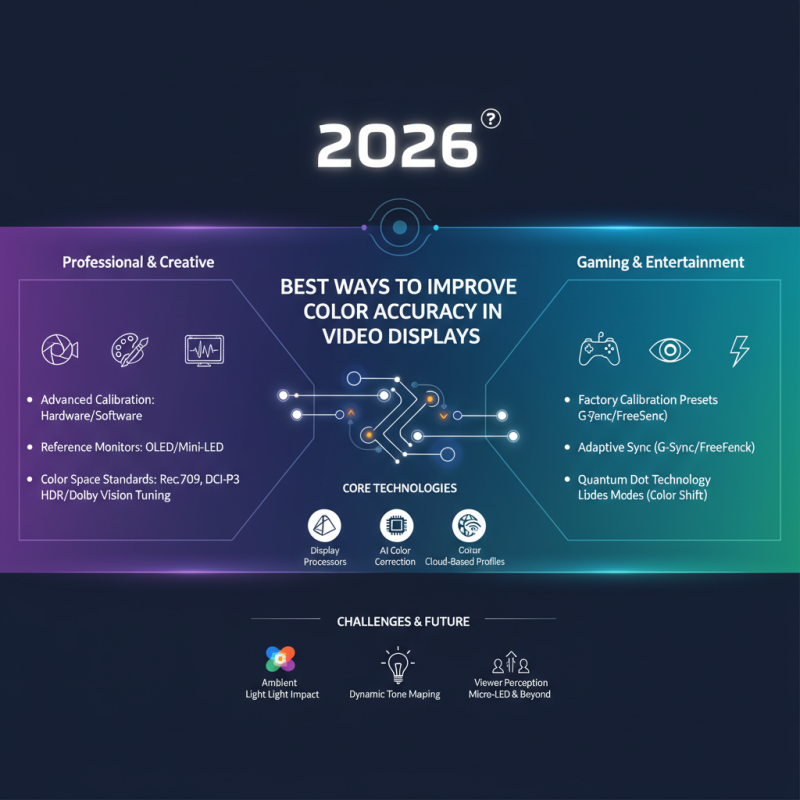
Color accuracy in video displays is essential for a true-to-life viewing experience. It impacts everything from filmmaking to gaming. Understanding color accuracy involves grasping how colors are represented on screens compared to the real world. Different factors, such as display technology and calibration, play a crucial role in achieving accurate colors.
To improve color accuracy, regular calibration is necessary. Use calibration tools to adjust the screen settings. This can enhance the overall viewing experience, bringing out vibrant colors and shadows. A simple test is to view reference images. Check if skin tones and natural colors appear realistic. If not, consider tweaking the settings or investing in better calibration tools.
Another aspect to consider is the environment where the display is used. Ambient light can affect how colors are perceived. So, try to control the lighting in the room. Consider darker curtains or reducing overhead lights. Create a setting that allows for optimal color viewing. Remember, the goal is to make the display's colors as close to reality as possible. This ensures that viewers are fully engaged with the content.
Color accuracy in video displays is influenced by several key factors. The source of content matters significantly. Different formats can offer varying levels of color fidelity. For example, HDR content often requires specific adjustments. Understanding these formats can elevate viewing experiences.
Another vital aspect is the display technology itself. LED, OLED, and LCD displays each have unique characteristics. OLED generally provides deeper blacks and wider color gamuts. However, it can also suffer from burn-in issues. Users should weigh the pros and cons when choosing displays.
Calibration plays an essential role in enhancing color accuracy. Finding optimal settings for brightness, contrast, and color temperature is crucial. Many users neglect this step, thinking default settings are sufficient. Yet, improper calibration can skew colors, leading to an unsatisfactory viewing experience. Regular adjustments are necessary to maintain accuracy over time.
| Factor | Description | Impact on Color Accuracy (%) |
|---|---|---|
| Calibration | Adjusting the display settings to match the color standards. | 30% |
| Color Gamut | Range of colors that a display can reproduce. | 25% |
| Display Technology | Type of display (e.g., OLED, LCD) influences color representation. | 20% |
| Ambient Lighting | Surrounding light conditions affect perception of colors. | 15% |
| Bit Depth | The number of bits used to represent color, affecting smoothness. | 10% |
Calibration techniques play a crucial role in achieving enhanced color precision for video displays. Gathering the right tools is essential. A colorimeter or spectrophotometer can make all the difference. These devices help in measuring color output from a display accurately. However, interpreting the data requires some expertise. Understanding color spaces and gamuts is vital but often overlooked.
Ambient light affects how we perceive color. Testing your display in varied lighting conditions can reveal color inaccuracies. Proper calibration should take these conditions into account. Users may find it challenging to maintain consistent color accuracy over time. Regular recalibration is necessary, but not everyone commits to it. Yet, neglecting this step can lead to drifting color accuracy.
Using software for calibration provides a pathway to improved results. Many tools offer user-friendly interfaces. However, relying solely on software without manual adjustments can lead to problems. Each display has its quirks. It requires some trial and error to find the right settings for your specific display. A thoughtful approach to both hardware and software will yield better color accuracy.
In today's digital age, achieving color accuracy in video displays is essential.
Advanced display technologies play a crucial role in enhancing the visual experience.
OLED and Mini-LED technologies are among the frontrunners.
Their ability to produce deeper blacks and vibrant colors set them apart.
However, even these technologies have limitations, prompting the need for continuous improvement.
Tips: Calibrate your display regularly. This simple act can significantly boost color accuracy.
Use a calibration tool or software for best results. Remember, lighting conditions can impact perceived color.
Adjust your environment accordingly for optimal viewing.
Understanding color spaces is vital. sRGB, Adobe RGB, and DCI-P3 each serve different purposes.
Being aware of these can help when selecting a display. However, some displays may struggle to cover wider color spaces fully.
This inconsistency can lead to frustration for content creators and viewers alike.
Furthermore, ensure your content is created with appropriate standards in mind. Always check the settings before finalizing your work.
Being proactive can save time and enhance quality. With constant advancements in technology, staying updated is crucial for anyone serious about color accuracy.
Color accuracy is essential in video production. Effective color management ensures that what you see on screen reflects true colors. The use of calibrated monitors and consistent lighting is crucial. By adopting specific practices, you can significantly enhance the quality of your visuals.
One vital tip is to calibrate your monitor regularly. Calibration helps maintain color consistency across your projects. Tools such as colorimeters can measure and adjust your display's settings. It is also beneficial to create a color reference library. This library allows you to compare your video outputs with industry standards, which fosters reliable color reproduction.
Another useful approach involves setting a controlled lighting environment. Consistent lighting reduces color discrepancies when capturing footage. Be mindful of your surroundings and try using the same light sources throughout the production. An often overlooked aspect is the editing environment. Ensure your workspace is free of distracting colors. Soft wall colors and neutral lighting can help maintain focus on accurate color grading.
: Calibration enhances color precision, ensuring accurate color reproduction on displays.
Using a colorimeter or a spectrophotometer is recommended for accurate measurements.
Ambient light can alter how colors appear, making calibration in different lighting essential.
Displays can drift in color accuracy over time, requiring regular checks for consistent performance.
No, while useful, software alone may not address all display-specific quirks.
Key color spaces include sRGB, Adobe RGB, and DCI-P3, each for specific needs.
Not always. Even advanced displays like OLED have limitations and require careful calibration.
Creating with the right standards and checking settings before finalizing work is crucial.
Understanding their limitations can help. Choose display settings thoughtfully to minimize issues.
It’s beneficial to check settings regularly, especially before important projects or viewing.
Improving color accuracy and reproduction in video displays is crucial for achieving high-quality visual experiences. Understanding the principles behind color accuracy, including key factors that impact it, is essential for both consumers and professionals in video production. Calibration techniques play a significant role in enhancing color precision, allowing users to adjust their displays to reflect true colors accurately.
Furthermore, leveraging advanced display technologies can significantly enhance color performance. Implementing best practices for color management throughout the video production process also contributes to superior color fidelity. By focusing on these strategies, individuals and organizations alike can effectively improve color accuracy and reproduction in video displays, resulting in more vibrant and lifelike imagery.

Xiguang Display