How to Improve Shock Resistance for Rental Mobile Displays?

Time:2026-07-02 Author:Henry
0%

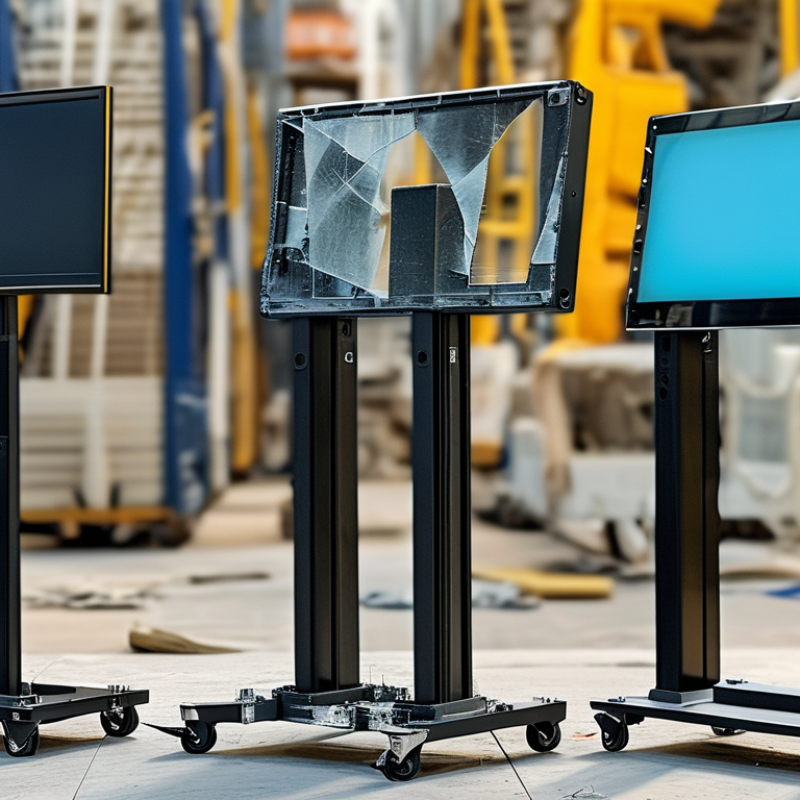
The demand for rental mobile displays is on the rise, driven by events and exhibitions. Rental displays are often exposed to various conditions which can compromise their durability. According to industry reports, approximately 30% of mobile display failures are attributed to physical shocks and impacts. This statistic underscores the urgency to improve shock resistance for rental and mobile displays.

Enhancing shock resistance is not merely a technical upgrade; it's a necessity for user satisfaction and cost-effectiveness. Rental companies face substantial losses due to damaged equipment. A damaged mobile display can lead to repair costs up to three times more than investing in initial shock-resistant features. The challenge lies in balancing cost and quality.

Innovative materials and design improvements are essential in this field. Companies are exploring synthetic cushioning and robust exteriors. However, despite advancements, some products still fall short of expectations. Continuous testing and feedback are vital. Improvement is an ongoing journey requiring commitment to reliability and performance.
How to Improve Shock Resistance for Rental Mobile Displays?

Improving Shock Resistance: An Overview of Rental Mobile Displays

Improving shock resistance in rental mobile displays is crucial for ensuring longevity and reliability. These displays often face various environments, from outdoor events to crowded indoor settings. Enhancing their durability prevents costly damages and enhances user experience.

One effective tip is to invest in shock-absorbent materials. Utilizing high-quality polymers or foams in the design can cushion impacts. Consider modular designs that allow for easy replacement of damaged components. This can minimize downtime during events.

Regular maintenance is another key aspect. Inspecting hardware for wear and tear can help identify potential issues before they escalate. Regularly cleaning displays also maintains their integrity. A simple wipe can prevent dirt from degrading the housing over time.

Lastly, ensure proper handling protocols are established for transportation. Establish guidelines for stacking and securing the displays during transit. Training staff on these protocols can mitigate mishandling risks. With these measures, rental mobile displays can better withstand shocks and harsh conditions, ultimately improving their lifespan and reliability.

Key Materials for Enhancing Shock Resistance in Mobile Displays

Enhancing shock resistance in mobile displays is essential for rental products. The right materials can make a significant difference. One of the most effective materials is tempered glass. This type of glass is treated to withstand intense impact, making it ideal for portable displays. It offers clarity, durability, and higher resistance to scratches, which is crucial for frequent use in various environments.

Another promising material is polycarbonate. It is lightweight yet incredibly sturdy. Polycarbonate can absorb shocks without cracking. However, it may scratch more easily than glass. It's important to consider that while polycarbonate is flexible, it may not always offer the same level of visual fidelity. Balancing strength and clarity is vital in the selection process.

Incorporating shock-absorbing foams in the display's construction can further enhance durability. These foams help to distribute impact forces, minimizing damage. Designers must often weigh the advantages and disadvantages of various materials. Sometimes, the perfect material does not exist. The key lies in understanding the specific needs of the rental industry and responding to them effectively. Continuous testing and iteration can lead to better solutions in mobile display technologies.

The Role of Design in Strengthening Mobile Display Durability

Design plays a vital role in enhancing the durability of rental mobile displays. A thoughtful design can mitigate risks of physical damage. Consider materials that absorb shock effectively. Composite materials, for instance, can offer better protection against falls and impacts.

Here are some tips to improve shock resistance:

  • Use rounded edges. Sharp corners can increase the risk of cracks when dropped.
  • Incorporate reinforced corners. This adds an extra layer of protection to the most vulnerable areas of the display.
  • Selecting a flexible screen can help absorb impacts, minimizing damage.

Consider the weight distribution of the display. Uneven weight can lead to instability. Designers should ensure that weight is evenly distributed to prevent tipping over. Futures could also involve detachable features. This allows users to replace damaged parts easily, reducing costs. There is room for improvement in designs, as some solutions may not be practical in real-world scenarios. Reflecting on user experiences can provide valuable insights for enhancement.

Industry Standards: Measuring Shock Resistance in Rental Displays

When evaluating shock resistance in rental mobile displays, industry standards play a crucial role. These standards dictate the level of durability required for displays to endure transportation and setup challenges. Testing methods often include drop tests and vibration assessments, ensuring displays maintain functionality under stress.

One of the key factors in shock resistance is the material used in the display's construction. Robust materials, such as reinforced glass and sturdy frame designs, contribute to a display’s ability to withstand impacts. Regular testing across various conditions helps manufacturers identify weak points that could lead to failures.

However, it's important to note that not all displays can meet the highest standards. Some may crack or malfunction when exposed to unexpected shocks. This variability emphasizes the need for ongoing evaluation and improvement in design. Rental companies should continuously seek feedback to enhance their offerings and ensure reliability in various environments.

Shock Resistance Ratings of Rental Mobile Displays

This bar chart presents the shock resistance ratings for different categories of rental mobile displays based on industry standards. The ratings are measured in terms of G-forces that the displays can withstand without damage.

Best Practices for Maintaining Shock Resistance in Rental Mobile Displays

When it comes to rental mobile displays, maintaining shock resistance is crucial. Displays are often moved frequently and exposed to various environments. To protect them, consider investing in high-quality protective cases. These cases can absorb shocks and reduce wear during transport. Choosing cases with custom-fit designs will ensure a snug fit, securing the display without adding unnecessary bulk.

Regular maintenance can also enhance shock resistance. Inspect the display before and after each rental. Check for any signs of damage, including cracks or loose components. Establish a routine for cleaning the displays. Dust and debris can accumulate and lead to longer-term issues. A clean display not only looks better but also prevents complications from dirt buildup.

While implementing these practices, it's essential to reflect on potential shortcomings. Overlooking smaller impacts can lead to larger issues down the road. Training staff on proper handling and transportation techniques can further reduce risks. Encourage open communication about any incidents. This helps build a culture of care and attentiveness, ultimately prolonging the display's lifespan.

How to Improve Shock Resistance for Rental Mobile Displays? - Best Practices for Maintaining Shock Resistance in Rental Mobile Displays

Practice Description Effectiveness Implementation Cost
Use Protective Cases Incorporating padded and shock-absorbent cases. High Medium
Conduct Regular Maintenance Frequent checks for signs of wear and tear. Medium Low
Training Staff Educating personnel on handling and setup techniques. High Low
Use Shock Absorbing Mounts Installing mounts that reduce vibrations and impact. High High
Limit Exposure to Environmental Stress Keeping displays away from high-risk areas. Medium Low

FAQS

: What materials enhance shock resistance in mobile displays?

: Tempered glass and polycarbonate are effective materials. They provide clarity, durability, and impact resistance.

How does tempered glass compare to polycarbonate?

Tempered glass resists scratches better but is heavier. Polycarbonate is lightweight and absorbs shocks but scratches easily.

What role does design play in display durability?

Thoughtful design minimizes risks. Features like rounded edges and reinforced corners can significantly enhance protection.

Why are rounded edges important for mobile displays?

Rounded edges reduce crack risks when dropped. They help mitigate damage from impacts.

How can weight distribution affect mobile displays?

Uneven weight can cause instability and tipping. Designers must ensure even weight distribution for better performance.

What maintenance practices are vital for rental mobile displays?

Regular inspection, cleaning, and using protective cases are essential. They prolong the display’s lifespan and maintain shock resistance.

Why is it crucial to clean mobile displays regularly?

Cleaning prevents dust accumulation, which can lead to long-term issues. A clean display looks better and functions effectively.

What potential issues arise from overlooking small impacts?

Small impacts may seem minor, but they can lead to more significant problems over time. Monitoring is essential.

How can staff training improve display handling?

Training staff on proper techniques reduces risks. Communication about incidents helps maintain a culture of care.

Are there drawbacks in current display materials and designs?

Some materials might not offer perfect solutions. Designers must continuously reflect on user experiences for improvements.

Conclusion

Improving shock resistance for rental and mobile displays is crucial for ensuring the durability and longevity of these devices in dynamic environments. Various approaches can be adopted, including the selection of key materials that enhance shock absorption and resilience, such as reinforced glass or advanced polymers. Additionally, innovative design strategies play a significant role in fortifying the overall structure and reducing vulnerability to impact.

Understanding industry standards for measuring shock resistance is essential for manufacturers and rental companies alike, as it provides benchmarks for quality and reliability. To maintain optimal shock resistance in rental mobile displays, best practices should be implemented, such as regular inspections and proper transportation methods. By focusing on these aspects, the overall performance and lifespan of rental mobile displays can be significantly improved, ensuring they meet the demands of various applications.

Henry

Henry

Henry is a dedicated marketing professional with a profound expertise in the company's offerings. With years of experience in the industry, he possesses an impressive understanding of the market dynamics and consumer behaviors that drive success. Henry is committed to sharing his insights through......