How to Install an Outdoor LED Display the Right Way?

Time:2026-08-22 Author:Aria
0%

Installing an outdoor LED display can seem daunting. According to John Harris, a leading expert in digital signage, "The key to success lies in proper installation." Proper methods ensure the display performs optimally and lasts longer.

When considering how to install an outdoor LED display correctly, several factors come into play. The location matters. Ensure a spot with minimal sunlight interference and wind exposure. Mounting is critical too. Using quality materials can prevent many issues. You must also align the display right. Not all displays are the same; some require specific heights and angles for visibility.

You may face challenges during installation. Sometimes it may take multiple attempts to get things right. Mistakes, like poor wiring or inadequate support structures, can lead to failures. Reflecting on these aspects is vital. The aim is to create a reliable display that attracts attention without becoming a burden.
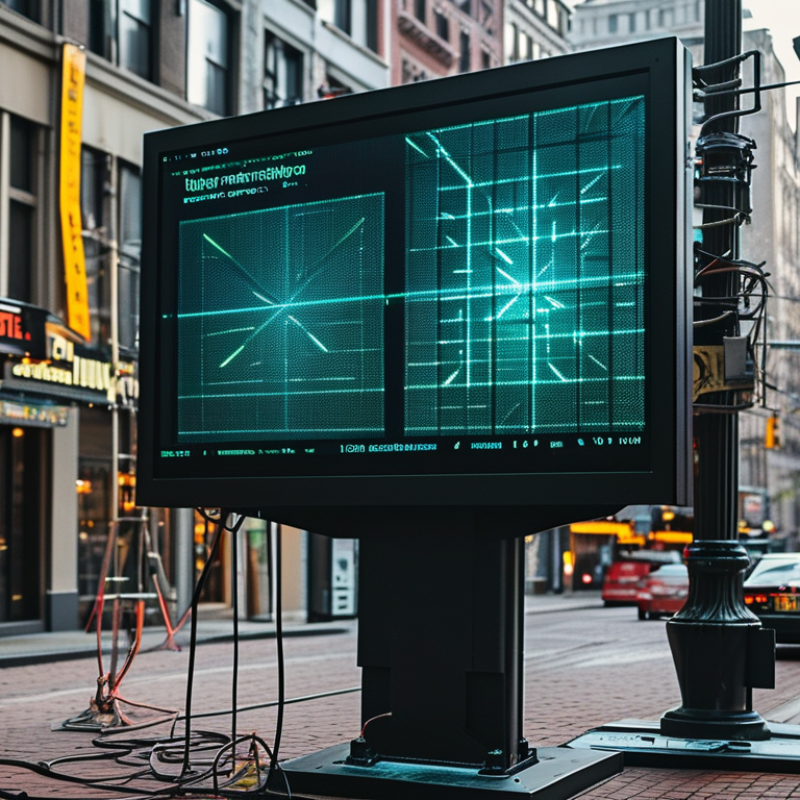
How to Install an Outdoor LED Display the Right Way?

Understanding the Basics of Outdoor LED Display Installation

Installing an outdoor LED display requires careful attention to detail and an understanding of its components. Begin by assessing the location where the display will be installed. Factors like sunlight exposure, wind speed, and surrounding structures are crucial. A preliminary site survey helps in identifying potential challenges, such as shadows cast by buildings or trees that could obstruct visibility.

When preparing for installation, ensure that all necessary tools and safety gear are available. Consider using a checklist to keep track of components like mounting brackets and cables. The mounting structure must be sturdy enough to withstand various weather conditions. Overlooking this could lead to costly mistakes down the line.

When it comes to wiring, organization is key. Use labeled cables for easier troubleshooting and maintenance. Proper cable management not only ensures safety but also enhances the aesthetic appeal of the installation. It's important to take time for testing the display after installation. Testing helps identify any initial issues that may need addressing. Remember, a rushed installation may compromise the display's longevity and performance.

Outdoor LED Display Installation Data

This chart illustrates the estimated time required for each step of the outdoor LED display installation process, providing insights into where most time is invested during the installation.

Choosing the Right Location for Your Outdoor LED Display

Choosing the right location for your outdoor LED display is crucial for its effectiveness. Visibility is key. Look for high-traffic areas where people gather. Busy intersections, shopping centers, or event venues can enhance exposure. Think about the distance from which the display will be viewed. A display too small in a large area risks being overlooked.

Consider the surrounding environment. Is there adequate lighting? Will trees or buildings obstruct the view? Morning sunlight can affect visibility too. Competing signs can also distract from your display. Evaluate what surrounds the location to ensure your message stands out.

Choosing a location isn’t just about sightlines but also accessibility. Technicians must reach the display easily for maintenance. Hard-to-reach installations can lead to more downtime. Take time to assess your chosen site from different angles. Reflection and iterative feedback from peers can refine your decision process. Each choice may reveal new insights, adding depth to your strategy.

How to Install an Outdoor LED Display the Right Way? - Choosing the Right Location for Your Outdoor LED Display

Location Factors Considerations Recommended Distance Traffic Visibility
Street Corners High visibility; consider surrounding structures 15-20 feet Excellent
Shopping Districts Engaging displays; attractive to pedestrians 10-15 feet High
Event Venues Dynamic content; seasonal positioning 20-30 feet Moderate to High
Public Parks Informational displays; community use 15-25 feet Moderate
Transit Stations Captures commuters; real-time updates 10-20 feet Very High

Preparing the Installation Site for Your LED Display

Preparing the installation site for your outdoor LED display is crucial for optimal performance. Begin by choosing a suitable location that receives ample sunlight and minimal obstruction. The ground should be level and free of debris. Tree branches or nearby structures can interfere with visibility. Assess the environment for wind patterns, as a sheltered area can enhance the longevity of your display.

Next, ensure access to power and data connections. Outdoor displays require consistent power supply. It’s vital to plan for electrical outlets close to the display. Consider weatherproof options for cables and connectors to prevent damage. Assess drainage as well; standing water can lead to electronic failure. Consult with local experts to comply with safety regulations regarding electrical installations.

Finally, think about securing your display. Outdoor conditions can be unpredictable. Heavy winds or storms may impact stability. Use robust mounting brackets and consider anchoring them to the ground. Reflecting on past installations can provide insights into potential pitfalls. Every site is unique, and adapting to specific conditions is essential for a successful LED display setup.

Setting Up the Power and Connectivity for LED Displays

Setting up power and connectivity for outdoor LED displays requires precise planning and execution. According to a report by the Display Industry Association, nearly 30% of display failures are due to inadequate power management. Properly addressing power requirements is crucial to ensure a seamless experience. Using a dedicated circuit helps in providing stable voltage, while employing surge protectors minimizes the risk of power fluctuations damaging your display.

Wiring should be installed following local codes. Cabling must be weather-resistant to endure outdoor conditions. Fiber optic cables can be beneficial for data transmission, supporting long distances without signal loss. Research indicates that proper grounding techniques reduce the chances of electrical interference by over 40%.

Localization of power sources should be considered carefully. Often, displays are moved to optimize visibility. This can lead to connectivity issues if the original setup is not replicated. If an outlet is too far, using extension cords may seem like a quick fix, but it can lead to voltage drops that affect display performance.

The key to a reliable installation is always preparation. Assessing the site's electrical infrastructure ahead of time can prevent many issues. Checking your setup against industry standards will ensure reliability and efficiency.

Mounting Techniques for Secure Installation of LED Displays

When mounting an outdoor LED display, stability is crucial. Choose a solid structure, such as a wall or a reinforced frame. Ensure that the area is clear of any obstacles. Weather conditions should be taken into account; excessive wind or rain can affect installation success.

Always use the right mounting hardware designed for outdoor displays. Use stainless steel bolts to prevent rust. Install the screen at an angle, if possible, to improve visibility and reduce glare. Double-check the alignment during installation. This can save time on adjustments later.

Keep a level handy. A slight tilt might cause improper viewing angles. Regular maintenance is important, too. After installation, inspect connections and hardware. This will ensure long-term performance. Testing the display after each weather change helps catch any issues early.

FAQS

: Why is site preparation important for an LED display?

: Proper site preparation enhances performance and visibility. A level ground and minimal obstructions lead to better results.

What environmental factors should I consider?

Assess sunlight exposure, wind patterns, and drainage. These elements can significantly impact display longevity and functionality.

How can I ensure a reliable power supply?

Plan for electrical outlets near the display. Use weatherproof cables to protect against outdoor conditions and potential damage.

What materials are best for mounting an outdoor LED display?

Use stainless steel bolts to resist rust. A reinforced frame or solid wall is essential for secure installation.

How can I improve visibility for my display?

Installing the screen at an angle reduces glare. Consider surrounding light sources that might affect viewing.

What maintenance should I conduct post-installation?

Regularly inspect connections and hardware. Testing the display after weather changes helps identify issues early.

What precautions should I take for securing the display?

Use strong mounting brackets and consider anchoring them. Reflect on previous installations to identify potential risks.

Can I install the display in any location?

Not all locations are suitable. Consider sunlight, obstructions, and environmental factors that may affect performance.

How important is installation alignment?

Accurate alignment is crucial. A slight tilt can cause poor viewing angles. Always double-check during installation.

What should I do if issues arise after installation?

Regular inspections can catch problems early. Addressing concerns promptly helps ensure long-term display performance.

Conclusion

Installing an outdoor LED display requires careful planning and execution to ensure optimal performance and longevity. Understanding the basics of outdoor LED display installation is critical, starting with choosing the right location that maximizes visibility while considering environmental factors. Preparing the installation site involves ensuring a stable foundation and adequate space for maintenance.

Additionally, setting up power and connectivity is essential for seamless operation. Finally, utilizing appropriate mounting techniques guarantees that the LED display is securely installed, safeguarding it against the elements. By following these guidelines on how to install an outdoor LED display correctly, you can achieve a successful installation that meets your display goals.

Aria

Aria

Aria is a dedicated marketing professional with a deep passion for innovative strategies and a keen understanding of our company's product offerings. With a wealth of experience in the industry, Aria excels at crafting engaging content that highlights the unique features and benefits of our......