How to Reduce Failure Rate in High Humidity Environments?

Time:2026-06-22 Author:Henry
0%

High humidity environments pose significant challenges for various industries. Electronic components, machinery, and materials are particularly vulnerable. The risk of corrosion, failure, and reduced efficiency escalates in these conditions. Therefore, understanding how to reduce failure rate in high-humidity environments is crucial.

Implementing effective solutions can ensure better performance and longevity of equipment. For instance, using dehumidifiers and moisture barriers can significantly diminish moisture levels. Additionally, selecting materials designed to resist humidity can also play a vital role. However, these strategies require careful planning and investment.

Unfortunately, many organizations underestimate the impact of humidity. They often overlook proper maintenance schedules and monitoring systems. Consequently, this can lead to unexpected failures and costly downtime. Recognizing and addressing these issues is essential for long-term success. Every step toward reducing failure can make a difference.
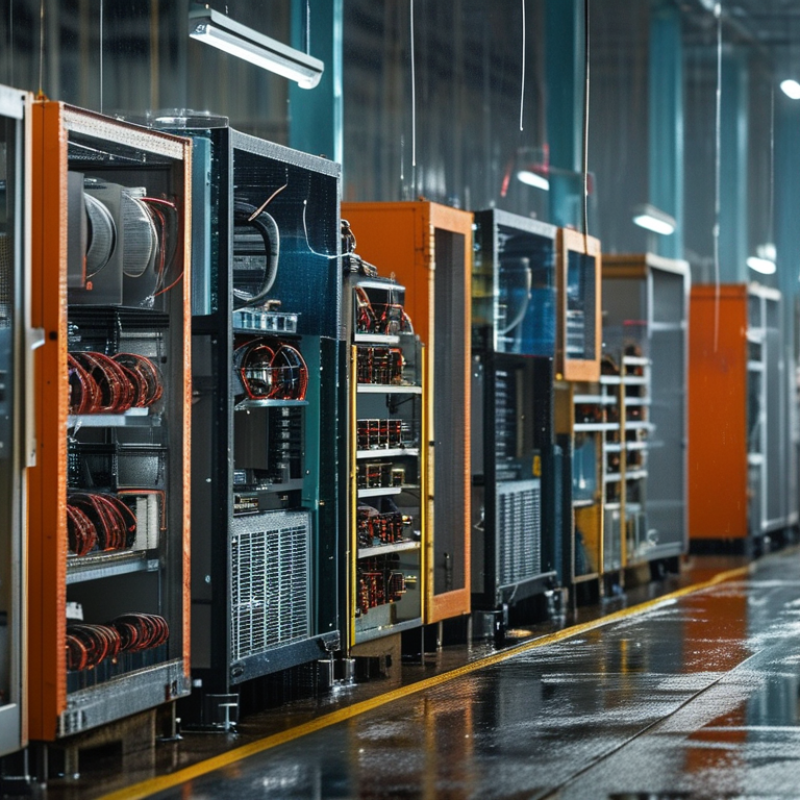
How to Reduce Failure Rate in High Humidity Environments?

Understanding the Impact of High Humidity on Equipment Performance

High humidity can severely impact the performance of equipment. Moisture can lead to corrosion, electrical shorts, and mold growth. These issues can compromise functionality, causing unexpected failures and costly downtime. Understanding the mechanics behind these issues is essential for effective management.

Humidity affects materials differently. Materials like metals may rust quickly, while electronics can short-circuit. Even the smallest amount of moisture can disrupt sensitive components. Additionally, high humidity can hamper cooling processes, leading to overheating. Prolonged exposure to these elements doesn’t just affect performance; it reduces lifespan, forcing premature replacements.

Implementing preventive measures is crucial. Maintaining a controlled environment is essential. Using dehumidifiers or proper ventilation can help mitigate humidity level effects. Regular inspections can reveal early signs of moisture damage. Even seemingly minor issues can escalate if overlooked. Emphasizing routine maintenance may lack immediate results but can yield substantial long-term benefits.

Identifying Common Failure Modes in Humid Environments

High humidity environments pose significant challenges for various industries. Common failure modes often include corrosion, electrical faults, and material degradation. According to a report by the National Institute of Standards and Technology (NIST), approximately 30% of industrial failures can be attributed to moisture-related issues. This statistic highlights the urgency of addressing humidity as a potential failure factor.

Corrosion is particularly rampant in humid settings. Metal components can rust within hours of exposure to moisture. A study by the Corrosion Engineering Society notes that corrosion can cost U.S. industries over $300 billion annually. Materials may also swell or degrade when exposed to high moisture levels. This deterioration can lead to equipment malfunction, adding to operational costs.

Electrical systems are not immune either. Circuit boards exposed to humidity can develop short circuits. Service interruptions may escalate if a humidity-related failure occurs in critical systems. Continuous monitoring and maintenance have proven beneficial. Regular inspections and the installation of humidity control systems can mitigate risks. However, companies must not overlook that these methods are not foolproof. A holistic approach to design and strategy is essential for effective failure reduction.

Effective Material Selection and Coatings to Combat Humidity

High humidity environments pose significant challenges for material performance. Selecting the right materials is crucial to combat the detrimental effects of moisture. Non-corrosive metals and specialized polymers can resist degradation caused by humidity. These materials maintain their integrity over extended periods, reducing the likelihood of failure. Understanding the environment is essential; different materials react differently to moisture levels.

Coatings are another effective approach to improve durability. Waterproof coatings can create a barrier, preventing water from penetrating surfaces. These coatings must be applied correctly to ensure effectiveness. Over time, coatings may degrade, requiring careful monitoring. Regular inspections can identify areas where the coating needs reapplication. Selecting the right coating depends on the surface and the expected moisture exposure.

Nevertheless, challenges remain. Not all materials perform as expected in high humidity. Some may fail quicker than anticipated, which calls for ongoing evaluation and adjustment. Relying on a single solution might lead to oversights. Diverse approaches and materials often yield better results in challenging conditions. Constant innovation and adaptability are necessary for long-term success.

Effect of Humidity on Failure Rates of Different Materials

This chart illustrates the failure rates of various materials in high humidity environments. The materials selected represent common choices in industrial applications, and the failure rates are based on studies conducted in conditions of elevated humidity. Understanding these rates is crucial for effective material selection and coating strategies.

Implementing Proper Maintenance Practices for Humidity Control

Humidity control is crucial in various industries. It directly affects product quality. Proper maintenance practices can significantly reduce failure rates in high humidity environments. Regular checks on humidity control systems are essential. This includes inspecting dehumidifiers, air conditioning units, and ventilation systems. Frequent adjustments ensure optimal performance.

Training staff on maintenance procedures is vital. Knowledgeable employees can identify potential issues early. They should understand the equipment and its impact on humidity control. A well-documented maintenance schedule keeps everyone accountable. It promotes a culture of reliability and attentiveness in equipment care.

Monitoring humidity levels regularly helps in making timely adjustments. Utilize sensors and automation to track changes. However, relying solely on technology isn’t enough. Human oversight remains important. Discussing experiences and challenges can lead to improved practices. Open communication creates a more resilient working environment. A reflective approach ensures that learning from past failures leads to better outcomes.

Utilizing Technology for Monitoring and Managing Humidity Levels

Humidity presents a significant challenge in various industries. High humidity can lead to equipment failure, product spoilage, and safety hazards. A report by the National Institute of Standards and Technology (NIST) indicates that equipment malfunctions increase by 35% in humid conditions. This necessitates effective monitoring and management strategies.

Utilizing advanced technology is crucial. Sensors and IoT devices can continuously monitor humidity levels. Incorporating real-time data allows businesses to make quick adjustments. For example, an initiative by the American Society of Heating, Refrigerating and Air-Conditioning Engineers (ASHRAE) showed that implementing smart monitoring systems reduced moisture-related failures by over 40%. These systems provide actionable insights, guiding maintenance efforts.

However, not every solution proves effective. Companies must be cautious in selecting their technology. Some may lack accuracy or require extensive calibration. Monitoring systems should be user-friendly to ensure operational success. Implementing technology is just the beginning; businesses need training and ongoing evaluation to fully benefit and adapt to humidity management challenges.

How to Reduce Failure Rate in High Humidity Environments? - Utilizing Technology for Monitoring and Managing Humidity Levels

Measurement Technique Purpose Humidity Range (%) Accuracy (%) Response Time (seconds) Technology Used
Capacitive Sensors Real-time monitoring 0 - 100 ±2 10 Capacitive technology
Thermal Sensors Humidity fluctuation tracking 10 - 90 ±3 5 Thermal conductivity
Hygrometers Environmental assessment 0 - 100 ±1 15 Mechanical or electronic sensors
Data Loggers Long-term humidity tracking 20 - 80 ±2.5 20 Memory and sensor technology
IoT-Based Systems Automated management 0 - 100 ±1.5 2 Wireless connectivity features

FAQS

: How does high humidity affect equipment performance?

: High humidity can cause corrosion, electrical shorts, and mold growth. These issues lead to unexpected failures and costly downtime.

What materials are most affected by humidity?

Metals rust quickly in humid conditions. Electronics can develop short circuits even with minimal moisture exposure.

How does humidity impact cooling processes?

Excessive humidity can hamper cooling, leading to overheating. This can severely affect overall equipment performance and lifespan.

What preventive measures can be taken against humidity?

Maintain a controlled environment using dehumidifiers or ventilation. Regular inspections for moisture damage are also vital.

Why is routine maintenance important in humid environments?

It may not show immediate results but can prevent substantial long-term issues. Overlooking minor problems can lead to major failures.

What are common failure modes in high humidity?

Corrosion, electrical faults, and material degradation are prevalent. Approximately 30% of industrial failures relate to humidity issues.

Can humidity-related failures happen in critical systems?

Yes, electrical systems can develop short circuits. This can lead to service interruptions and increased operational costs.

Is there a cost associated with corrosion in industries?

Yes, corrosion costs U.S. industries over $300 billion annually. This highlights the financial impact of neglecting humidity management.

Are installation and monitoring of humidity control systems always effective?

They help mitigate risks but are not foolproof. A holistic approach to design and strategy is needed for better outcomes.

Can small moisture issues escalate over time?

Yes, even minor moisture problems can worsen. Ignoring them may lead to significant damage and increased maintenance costs.

Conclusion

High humidity environments can significantly influence equipment performance, leading to increased failure rates. To reduce failure rates in high-humidity environments, it is essential to understand how moisture impacts various components and identify common failure modes such as corrosion and electrical short circuits. Selecting suitable materials and applying effective coatings can provide protection against moisture, ensuring equipment longevity.

Additionally, implementing proper maintenance practices is crucial for humidity control; regular inspections and cleaning can prevent moisture buildup. Utilizing technology for real-time monitoring of humidity levels allows for proactive management, enabling timely interventions that can mitigate potential failures. By adopting these strategies, organizations can effectively reduce failure rates and enhance the reliability of their equipment in challenging high-humidity conditions.

Henry

Henry

Henry is a dedicated marketing professional with a profound expertise in the company's offerings. With years of experience in the industry, he possesses an impressive understanding of the market dynamics and consumer behaviors that drive success. Henry is committed to sharing his insights through......