Shopping malls are no longer quiet retail corridors. Bright storefronts compete with food aromas, moving crowds, glass reflections, and constant visual noise. A well-planned LED display can attract attention without interrupting the shopping experience. It can highlight seasonal campaigns, guide visitors, and support memorable brand moments.
The practical question is not simply whether LED technology looks impressive. It is “How to choose LED display for shopping mall advertising” when space, viewing distance, brightness, content, and maintenance all matter. David Haynes, a digital signage consultant, offers a useful reminder: “The best display is not the brightest one; it is the one that fits the audience, location, and message.” His statement deserves attention. A screen above a busy entrance needs different specifications from a narrow display beside an escalator.
Pixel pitch, cabinet size, refresh rate, and installation access affect real performance. For example, a fine-pitch screen may present sharp product details from three metres away. However, it can increase the initial budget and require more careful servicing. Outdoor-facing mall entrances also need stronger brightness control and weather protection. Too much brightness may create glare on polished floors and glass railings. That detail is easy to overlook.
Experience matters, but assumptions can still fail. A large screen does not automatically create better advertising. Content quality, viewing time, safety planning, energy use, and reliable technical support deserve equal attention. This guide examines the choices behind effective mall advertising displays. It also questions common purchasing habits, because the cheapest option may become expensive when repairs, downtime, and weak engagement appear later.
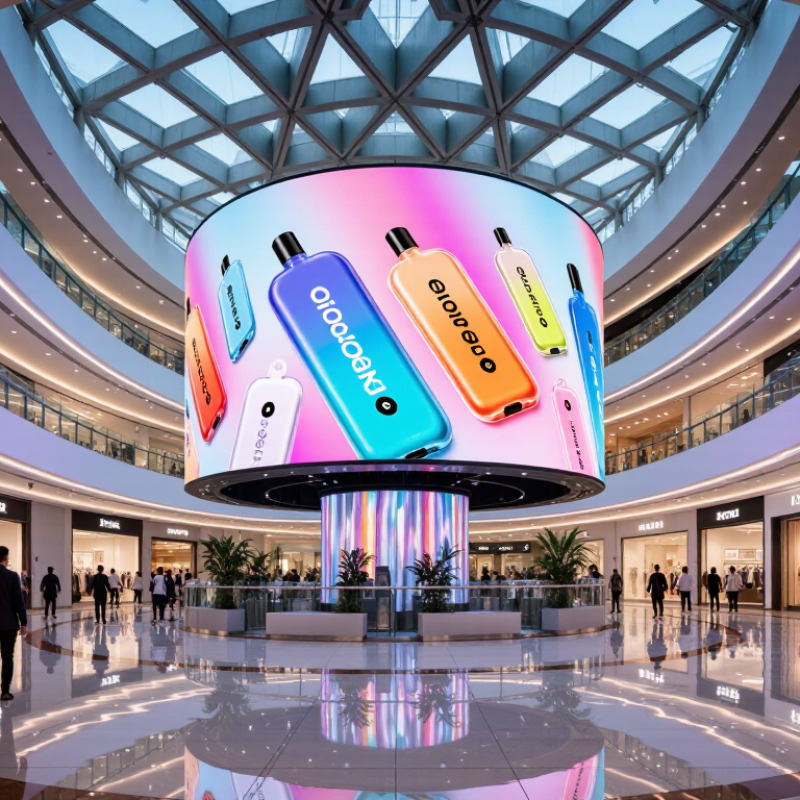
In shopping mall advertising, an LED display is a digital screen built from many light-emitting diode modules. Each module contains tiny red, green, and blue lights. Together, they create images, video, text, and changing colors. Unlike a printed poster, the display receives content from a media player or central control system. It can show a sale at noon and a store opening announcement minutes later.
The screen may stand near an entrance, hang above an escalator, or form a large wall behind a reception area. Its brightness must match the mall’s lighting conditions. Too dim, and shoppers miss the message. Too bright, and the screen becomes uncomfortable. Careful pixel spacing also matters. A closer viewing distance needs finer pixels for sharper text. Short videos, clear pricing, and strong contrast usually work better than crowded designs. Keep it simple.
From practical installation work, reliable performance depends on more than screen size. Ventilation, power stability, viewing angles, and scheduled maintenance all affect results. Dust can reduce clarity, while poor content timing can annoy visitors. A display also needs safe mounting and controlled brightness. These details are easy to overlook.
LED advertising is not automatically effective. A beautiful screen can still fail when the message is vague or changes too quickly. Mall managers should review foot traffic, dwell time, and campaign responses before renewing content. The most useful approach combines technical testing with honest observation. Watch how people actually react. Their behavior may challenge the original plan.
Shopping mall advertising competes with storefronts, signs, music, and moving crowds. Bright displays can attract shoppers before they reach a store. Motion changes the mood. However, attention is not guaranteed.
Content must match the shopper’s pace. A slow product close-up may work near an entrance, while a bold offer suits a busy corridor. Short scenes, strong contrast, and readable type help viewers understand messages quickly. At a practical viewing distance, small text often disappears. That detail matters. Displays should also maintain steady brightness and smooth playback, especially during long operating hours. Flicker or harsh light can make shoppers look away.
Experienced retail teams test different layouts, colors, and timing instead of trusting assumptions. A display near a food court may need warmer visuals, while a fashion area can use sharper movement. Clear captions help people who cannot hear the audio. Measurement should include foot traffic, viewing duration, and campaign-related store visits. Still, numbers can mislead. A crowded weekend may inflate results without proving the screen caused them. LED advertising is not automatically effective. Poorly timed content, excessive brightness, or repetitive loops can create visual fatigue. Some campaigns need fewer effects and more useful information.
Why Choose LED Display for Shopping Mall Advertising?
Key Advantages of LED Displays for Mall Promotions
LED displays give shopping malls a strong visual presence in busy public spaces. Their bright images remain visible near entrances, escalators, and food courts. From practical installation experience, screen placement matters as much as screen size. A huge display can still fail when shoppers view it from a sharp angle.
High brightness helps promotional content compete with skylights and polished floors. However, excessive brightness may cause glare and make messages uncomfortable to watch. Technicians should adjust brightness according to indoor lighting, viewing distance, and time of day. Clear contrast and suitable refresh rates also keep moving images smooth in photos and videos.
Flexible scheduling is another major advantage. Mall teams can show different promotions during lunch, evenings, holidays, or quieter periods. A ten-second message may promote a nearby store, guide visitors, or announce a limited-time event. Content can be updated without replacing printed panels, reducing material waste and manual labor.
Simple messages work best.
LED displays also support measurable campaigns. Managers can compare screen schedules with visitor traffic, coupon scans, or store feedback. These results are useful, but they are not perfect proof of sales impact. Weather, pricing, and customer habits can affect performance. I have seen attractive screens receive little attention when the content changes too quickly. Reliable operation also requires ventilation, secure mounting, routine inspections, and compliance with local electrical and public-safety requirements.
| Evaluation Dimension | Typical LED Display Data | Value for Shopping Mall Promotions | Practical Consideration |
|---|---|---|---|
| Brightness | Indoor models commonly provide approximately 800–1,500 nits; high-brightness models can exceed 5,000 nits for sunlit areas. | Keeps advertisements readable in atriums, storefront corridors, entrances, and areas affected by daylight. | Brightness should be adjusted to ambient light to improve comfort and reduce unnecessary power use. |
| Content Flexibility | Supports still images, video, animation, text, countdowns, and scheduled playlists in common digital formats. | Allows malls to promote flash sales, seasonal campaigns, events, tenant offers, and public announcements on one screen. | A content management system and a reliable network connection are recommended for centralized updates. |
| Update Speed | Digital content can typically be changed within seconds or minutes, depending on the control system and network. | Enables rapid responses to inventory changes, time-limited promotions, weather conditions, and visitor traffic patterns. | Update permissions and approval workflows help prevent incorrect or unauthorized messages. |
| Visibility and Viewing Angle | Many LED panels offer horizontal and vertical viewing angles of approximately 140°–160°, depending on the LED package and design. | Makes promotional messages visible to shoppers approaching from different directions. | Pixel pitch and installation height should match the typical viewing distance. |
| Motion Quality | Commercial LED systems commonly use refresh rates of 1,920 Hz or higher; higher rates may be selected for camera-friendly environments. | Produces smoother video playback and clearer motion for fashion, product, and event advertising. | Content frame rate, processing, and camera settings also affect perceived image quality. |
| Scalability | Modular cabinets can be assembled into different sizes and aspect ratios; common cabinet dimensions include 500 × 500 mm and 500 × 1,000 mm. | Fits feature walls, columns, entrances, atriums, stages, and other irregular promotional spaces. | The supporting structure, power distribution, and access for maintenance must be planned before installation. |
| Service Life | Quality LED modules are often specified for approximately 80,000–100,000 hours to half-brightness under stated operating conditions. | Supports long-term promotional use and can reduce the frequency of complete display replacement. | Actual life depends on temperature, brightness level, operating schedule, ventilation, and maintenance quality. |
| Maintenance | Modular construction allows individual modules, power supplies, or receiving cards to be serviced instead of replacing the entire screen. | Can shorten repair time and help keep advertising inventory available. | Front-service or rear-service access should be selected according to the installation location. |
| Energy Management | Power consumption varies significantly by pixel pitch, brightness, content, cabinet design, and operating mode; brightness control and scheduling can reduce consumption. | Allows the mall to reduce output during low-traffic periods while keeping scheduled campaigns active. | Energy performance should be compared using measured average power, not only maximum power. |
| Advertising Revenue Potential | One screen can display multiple campaigns through time-based playlists and scheduled advertising slots. | Creates opportunities to share display time among mall management, tenants, events, and sponsors. | Revenue depends on visitor traffic, audience measurement, screen location, slot duration, and local advertising rates. |
Note: The figures above are typical industry ranges rather than guaranteed specifications. Actual performance depends on the selected LED display, installation environment, content settings, operating schedule, and maintenance conditions.
Mall advertising screens work best when their location matches a shopper’s moment. At a main entrance, a bright LED wall can introduce seasonal offers within seconds. Near escalators, vertical screens can promote fashion, dining, or cinema events. Content should use large type, strong contrast, and short messages. Shoppers rarely stop for dense paragraphs.
In food courts, LED displays can highlight lunch deals while people wait for orders. Retail corridors support product videos, limited-time promotions, and local event announcements.
Screens near parking entrances can show opening hours, directions, or pickup information. A synchronized display network can guide visitors through several floors without making the mall feel confusing. It needs restraint. Too much motion becomes visual noise.
From practical planning, screen brightness should change between daylight and evening hours. Content teams should test visibility from different walking distances. They should also check reflections from glass, polished floors, and storefront lighting. A reliable schedule prevents expired prices or unavailable offers from appearing. That sounds basic, but mistakes happen. I have seen attractive campaigns lose trust because the final frame lacked clear terms. Accessibility deserves attention too, including readable fonts, captions, and calm transitions. LED advertising is powerful, though it is not automatically effective; placement, timing, and honest information still decide whether shoppers respond.
Choosing an LED display requires more than comparing screen size and price. In shopping mall projects, viewing distance is often the first practical concern. A fine pixel pitch suits visitors standing near a storefront, while a larger pitch may work above a busy atrium. Brightness also matters. Excessive brightness can make indoor content uncomfortable and waste energy. A good display should remain clear under changing mall lighting.
Tips: Check the viewing distance, ambient light, screen dimensions, refresh rate, and maintenance access before ordering. Ask for real test footage, not only polished samples. Content should match the screen’s shape and audience flow. A vertical display near an elevator needs different visuals from a wide screen above a food court.
Reliability depends on heat control, stable color performance, and easy module replacement. A high refresh rate helps prevent visible flicker in camera recordings. Strong protection is useful in crowded areas, but indoor screens still need proper ventilation. In practice, early measurements can be wrong. A screen may look impressive in a showroom, then appear too dim inside the mall. Reviewing mock-ups at the actual installation point can prevent costly changes. Consider operating software, remote monitoring, service response, and long-term power use. The cheapest option is not always economical.
It is a digital screen made from many red, green, and blue light modules. It can show images, videos, text, and changing colors. Content comes from a media player or central control system.
Common locations include entrances, escalator areas, and reception walls. Placement should match viewing distance, shopper movement, and nearby lighting. A screen hidden behind signs may waste its potential.
Brightness should match the mall’s lighting conditions. Too little light hides the message, while excessive light can feel uncomfortable. Closer viewers need finer pixel spacing for sharper text. This is easy to underestimate.
Short videos, clear prices, strong contrast, and readable captions usually perform well. Messages should fit the shopper’s walking pace. Avoid crowded layouts and rapid scene changes. Simple often wins.
Motion, color changes, and bright visuals can interrupt routine movement. However, attention is not guaranteed. A busy corridor may need a bold offer, while an entrance may suit slower imagery. People may glance briefly, then continue walking.
Ventilation, stable power, safe mounting, viewing angles, and scheduled maintenance all matter. Dust can reduce clarity over time. Smooth playback and steady brightness are important during long operating hours. Small faults become visible quickly.
Review foot traffic, viewing duration, and store visits linked to the campaign. Compare results across similar periods when possible. A crowded weekend can inflate numbers without proving causation. The evidence may remain imperfect.
Avoid vague messages, excessive brightness, repetitive loops, and overly fast content. Do not judge success from screen beauty alone. Watch real shopper behavior and test different layouts, colors, and timings. The original plan may need changing.
LED displays have become an effective tool for shopping mall advertising because they combine vivid visuals, motion, and flexible content in one powerful communication medium. Unlike static posters, LED screens can capture shoppers’ attention with bright images, dynamic videos, timely promotions, wayfinding information, and seasonal messages. Their visibility makes them suitable for entrances, atriums, storefronts, food courts, escalators, and other high-traffic areas, helping malls create a more engaging and memorable environment.
Key advantages include easy content updates, strong visual impact, scheduling flexibility, and the ability to support multiple campaigns on one screen. However, choosing the right solution requires careful consideration. How to choose LED display for shopping mall advertising depends on factors such as screen size, pixel pitch, brightness, viewing distance, installation location, energy efficiency, maintenance access, durability, and content management needs. A well-planned LED display can improve promotional communication while supporting a clean, modern, and shopper-friendly mall experience.
Xiguang Display